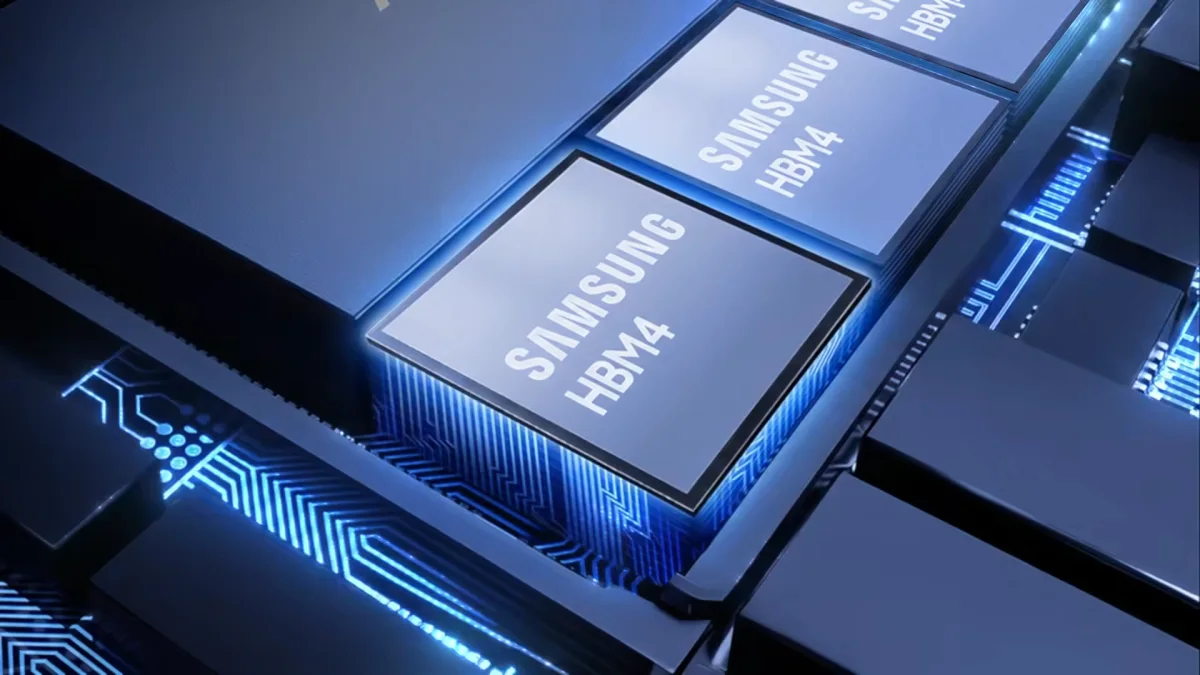
Samsung, the world's largest memory chip maker, now expects the current shortage of DRAM and NAND to worsen next year and persist until at least 2028.
The company shared this outlook during its second-quarter FY2026 earnings call, signaling how artificial intelligence is reshaping the semiconductor industry.
Samsung executives said several AI labs have provided medium and long-term demand forecasts, allowing the company to secure capacity in advance.
This visibility enables Samsung to sign multi-year supply agreements with major data-center operators and expand production lines ahead of time.
The goal is to smooth out the boom-and-bust cycles that have historically defined the memory business.
The AI boom has had mixed effects on Samsung. Its semiconductor division posted record sales and profits in the second quarter, with memory contributing significantly.
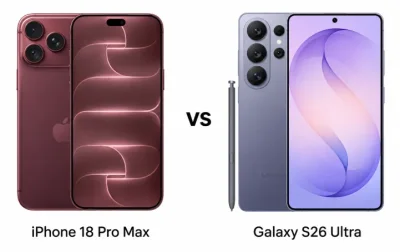
However, rising component costs are now squeezing Samsung's own consumer electronics division.
Higher memory prices have reduced margins on Galaxy phones and TVs, prompting Samsung to raise retail prices, which has led to softer demand in those product lines.
Other device makers are also feeling the pressure. Apple recently increased prices on several MacBook and iPad models.
Nothing had to cancel the CMF Phone 3 Pro and relaunch it under the Nothing brand to justify the price.
Samsung's forecast indicates that this tightness will not ease soon.
Building new fab capacity takes years, and the rapid growth of agentic AI is expected to continue driving up token consumption and memory demand.
By locking in long-term contracts for a large portion of its output, Samsung aims to make its planning more predictable and bring stability to the wider market.