Camera Systems and Pricing
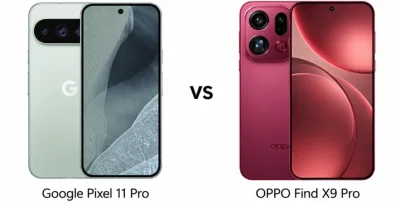
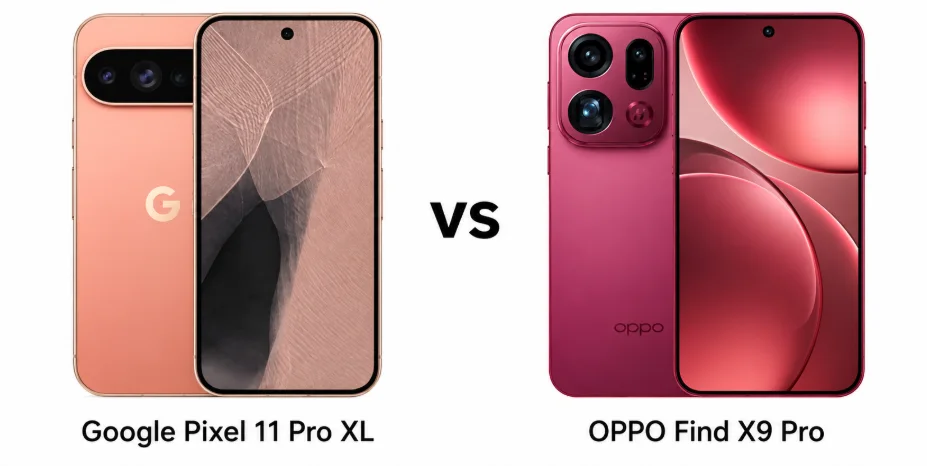
Pixel's triple-camera system pairs a 50MP main camera with a 48MP 5x periscope and a 48MP ultrawide.
OPPO uses a 50MP main sensor, a 200MP 3x periscope and a 50MP ultrawide.
Pixel offers greater native telephoto reach, while OPPO's 200MP telephoto sensor promises stronger detail and cropping flexibility.
For versatile zoom photography, both are unusually well equipped.
The Pixel features a 42MP ultrawide selfie camera with PDAF and 4K video recording, while OPPO uses a 50MP wide selfie camera with PDAF and 4K recording.
Pixel's wider perspective can suit group shots, but OPPO's higher-resolution sensor gives it a stronger hardware advantage.
Pixel's image processing could still make the real-world comparison closer.
Pixel wins for its 5x optical telephoto and established computational photography approach, while OPPO is the more exciting hardware package for detailed zoom and camera versatility.
The Pixel 11 Pro XL is priced around $1300 or ₹135,000, while the OPPO Find X9 Pro is priced around $1000 or ₹100,000.
That creates a significant gap between two premium phones with broadly comparable flagship ambitions.
Pixel asks buyers to pay more for Google's software ecosystem and longer update commitment.
Pixel's premium is easier to justify for buyers who prioritize seven major Android updates, Google's AI features, Pixel photography and a clean Android experience.
OPPO offers substantially more battery capacity, faster charging, stronger storage and an impressive 200MP telephoto for less money.
For hardware-focused buyers, OPPO clearly offers better value.
OPPO Find X9 Pro is the stronger value choice, as its lower price combined with a larger battery, faster charging and impressive camera hardware makes the premium paid for Pixel harder to justify.
Prices are approximate and may vary based on the market.