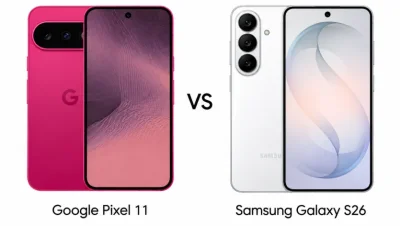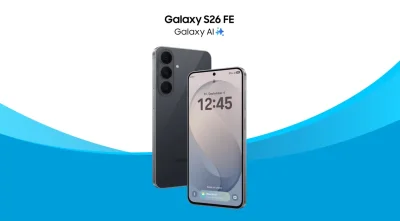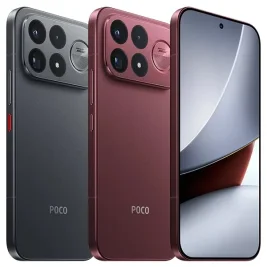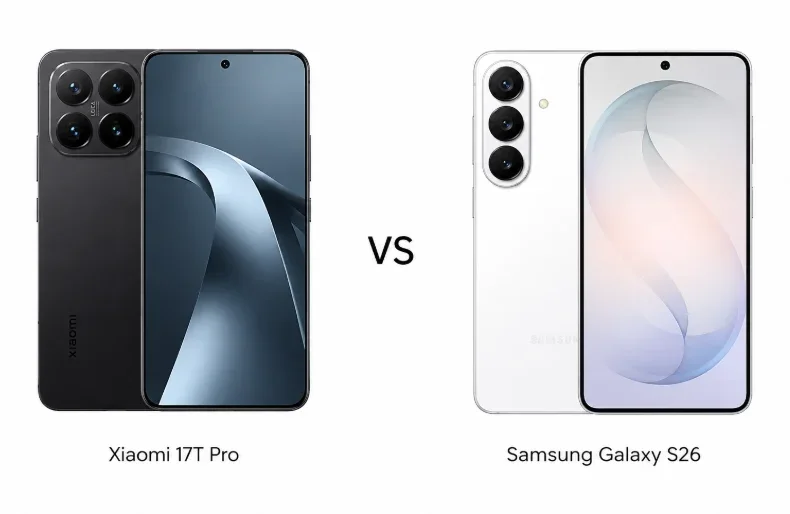
The Xiaomi 17T Pro and Samsung Galaxy S26 represent two distinct philosophies in the flagship smartphone segment.
Xiaomi emphasizes powerful hardware, a large battery, and fast charging, while Samsung focuses on refined design, software longevity, and a compact form factor.
Design and Display
The Xiaomi 17T Pro features an aluminum frame, Gorilla Glass 7i, and IP68 certification, giving it a robust build.
Its 6.83-inch AMOLED display offers a 144Hz refresh rate, 3500 nits peak brightness, Dolby Vision, HDR10+, and 3840Hz PWM dimming.
The Samsung Galaxy S26 uses Armor Aluminum 2 and Gorilla Glass Victus 2, also with IP68.
Its 6.3-inch Dynamic LTPO AMOLED 2X display has a 120Hz adaptive refresh rate and 2600 nits peak brightness.
Xiaomi wins on display specifications with a larger, brighter panel and higher refresh rate. Samsung offers a more compact and refined feel for one-handed use.
Performance and Software
The Xiaomi 17T Pro is powered by the MediaTek Dimensity 9500 chipset, with up to 16GB RAM and 1TB storage.
It runs Android 16 with HyperOS 3.
The Samsung Galaxy S26 uses the Snapdragon 8 Elite Gen 5 or Exynos 2600 (region-dependent), with up to 12GB RAM and 512GB storage.
It also runs Android 16 but promises seven major OS updates.
Samsung leads in software support, while Xiaomi offers higher RAM and storage options.
Battery and Charging
The Xiaomi 17T Pro packs a 7000mAh battery with 100W wired, 50W wireless, and 22.5W reverse wired charging.
The Samsung Galaxy S26 has a 4300mAh battery with 25W wired, 15W wireless, and 4.5W reverse wireless charging.
Xiaomi dominates this category with significantly larger capacity and faster charging speeds.
Camera System
The Xiaomi 17T Pro features a 50MP main sensor (1/1.31-inch, OIS), a 50MP periscope telephoto with 5x optical zoom, a 12MP ultrawide, and a 32MP selfie camera.
It supports 8K video and 4K at 120fps.
The Samsung Galaxy S26 has a 50MP main sensor (1/1.56-inch, OIS), a 10MP telephoto with 3x zoom, a 12MP ultrawide, and a 12MP selfie camera with autofocus.
It also records 8K video but at 60fps.
Xiaomi offers better zoom hardware, higher-resolution selfie camera, and more advanced video recording options.
Pricing and Value
The Xiaomi 17T Pro is priced around ₹75,000, while the Samsung Galaxy S26 costs around ₹88,000.
Xiaomi provides more hardware for less money, including a larger battery, faster charging, higher refresh rate display, and better camera zoom.
Samsung justifies its higher price with premium build, software support, DeX desktop mode, and ecosystem integration. For buyers focused on specifications and value, Xiaomi is the stronger choice.
Conclusion
The Xiaomi 17T Pro excels in battery life, charging speed, display quality, and camera hardware, making it ideal for power users and multimedia enthusiasts.
The Samsung Galaxy S26 appeals to those who prioritize software updates, compact design, and refined user experience.
Overall, the Xiaomi 17T Pro offers better value for most buyers, but the Samsung Galaxy S26 remains a solid option for long-term software support and ecosystem features.