Smartphone buyers hoping for steep discounts in upcoming sales may be disappointed.
Rising component costs have reshuffled the cost structure, with memory chips now the priciest part of phone manufacturing.
Nothing co-founder and CEO Carl Pei highlighted this shift in a post on X on June 12.
He noted that RAM and storage together can now constitute more than half of a phone's total bill of materials.
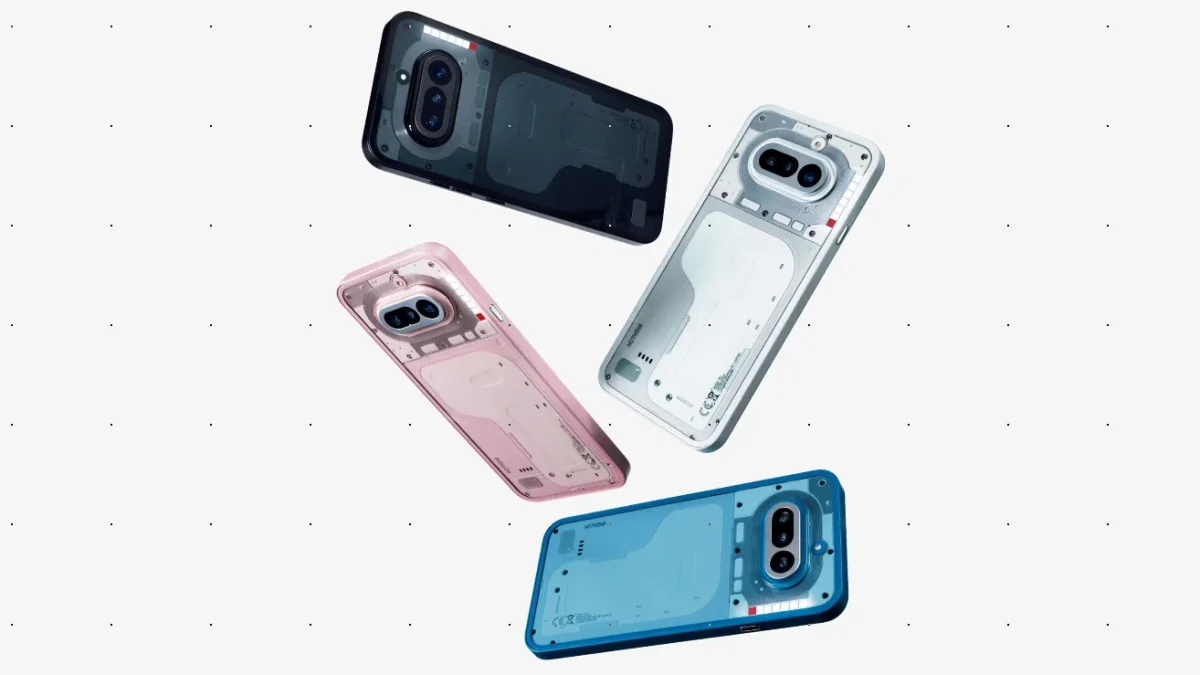
For Nothing's own Phone (4a), memory costs doubled between the planning stage and launch, and have doubled again since hitting the market.
Such increases force tough decisions and push prices upward across the industry.
Suppliers are operating at capacity, so phone makers face limited quotas and must pay premium prices for available components.
Pei pointed out that since February, many new phones have launched at prices roughly $100 higher than their predecessors.
With costs still climbing, the large promotional discounts consumers have grown accustomed to are becoming rare.
Industry analysts confirm the trend.
DRAM prices have surged sharply in 2026 due to the AI boom, adding 10–30% or more to phone production costs depending on the model.
Budget and mid-range devices are hit hardest, though some premium models have also seen adjustments.
Nothing itself raised prices on both the Phone (4a) and Phone (4a) Pro across all variants shortly after their March launch.
Pei's advice for those considering an upgrade: the best time was yesterday, and the second-best time is now.
Waiting longer could mean paying more and missing out on past deal levels.
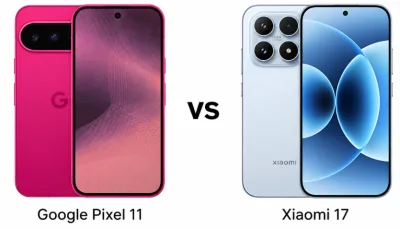
Brands from Samsung and Xiaomi to Google and Nothing are all navigating the same challenges.
The ripple effects extend beyond smartphones; for instance, the Lenovo ThinkBook 16 with AMD Ryzen 5 7535HS is now priced nearly double compared to January 2026.