Flying taxis have long been a futuristic dream, but 2026 marks a turning point as the industry enters early commercial stages.
China and the United States are both investing heavily in electric vertical takeoff and landing (eVTOL) aircraft, yet their strategies differ significantly.
China Pushes Ahead with Real-World Operations
China is currently leading the global flying taxi race, driven by a national priority on the low-altitude economy.
Industry forecasts suggest the sector could eventually be worth trillions of yuan.
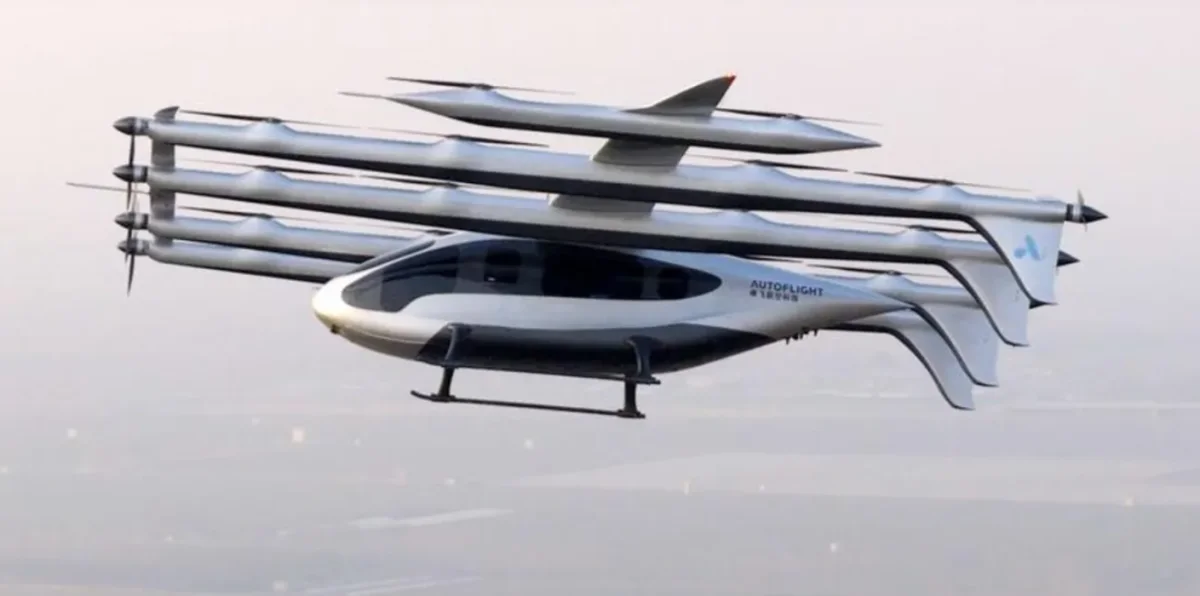
The EH216-S autonomous passenger aircraft has achieved major milestones, conducting commercial trial operations and sightseeing flights in several Chinese cities.
This gives China a substantial head start in real-world passenger services.
Manufacturing capacity is also expanding.
A new smart factory in Guangzhou is expected to produce up to 100 flying cars annually, combining automotive efficiency with aviation standards.
Meanwhile, Fengfei Aviation is developing the Sky Dragon, a 10-passenger eVTOL designed for regional travel with a potential hybrid range of up to 1,500 kilometers.
US Focuses on Certification and Infrastructure
While China leads in deployment, the United States remains a major force in aircraft development and advanced air mobility technology.
The US government has launched pilot programs to accelerate testing and deployment of flying taxis, cargo aircraft, and emergency-response eVTOL services.
Key players include Archer Aviation, Joby Aviation, and BETA Technologies.
Archer plans to begin early-midnight aircraft operations in Florida, Texas, and New York during the second half of 2026.
However, certification remains a significant challenge.
Many US companies are expected to start with cargo transport, medical deliveries, and premium shuttle services before expanding into larger passenger networks.
This approach builds operational experience while regulators develop safety standards for widespread deployment.
What to Expect in 2026 and Beyond
The rest of 2026 will likely bring more demonstration flights, certification milestones, and limited commercial services rather than large-scale networks.
Tourism, emergency medical transportation, disaster response, and premium services are expected to be the first successful markets.
Improvements in battery technology, falling production costs, better infrastructure, and clearer regulations are expected to make flying taxis more practical and affordable over the next decade.
The long-term vision is simple: passengers could eventually book a flying taxi through a ride-hailing app as easily as ordering a car today.
While that future is still years away, 2026 may be remembered as the year flying taxis began transitioning from experimental aircraft to real commercial transportation.