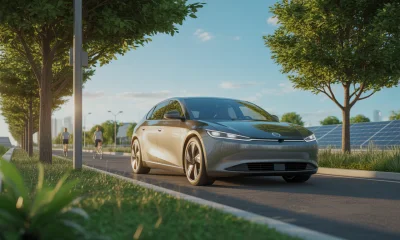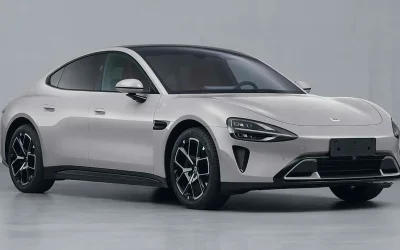
The modeling found that replacing a plug-in hybrid with an EV increased emissions by 11% in the car category, while the SUV result was close to neutral.
These differences reinforce the value of considering the vehicle being replaced, not simply its age.
Drivers following changes in batteries, charging and vehicle efficiency can find related coverage in LeftLaneNews’ electric vehicle section.
>>> HONOR Robot Phone Hands-On: Gimbal Camera and Image Quality
The study’s framework points to a practical question for owners: how much fuel will the current vehicle continue to burn, and what are the expected manufacturing and charging emissions of the EV under consideration?
Why the study does not settle every replacement decision
The lifecycle result addresses greenhouse gas emissions, not whether replacing a nearly new gasoline car is financially practical.
It also differs from a typical resale decision.
If a vehicle is sold rather than permanently removed from use, another driver may continue operating it, changing the wider emissions picture.
As CleanTechnica’s account of the research notes, the modeled outcome is especially sensitive to the fuel use that early retirement avoids.
That makes high-mileage, fuel-hungry vehicles more consequential cases than efficient gasoline cars that travel only short distances each year.
The study therefore offers a more nuanced answer than either keeping every gasoline vehicle indefinitely or replacing every working vehicle immediately.
For a two-year-old SUV on the average US grid, the modeled reduction was substantial.
>>> Wide-Screen Foldables: Major Brands Join the Trend, Leak Reveals
For other vehicles, the decision remains shaped by mileage, efficiency, battery-electric energy use and the electricity source used for charging.