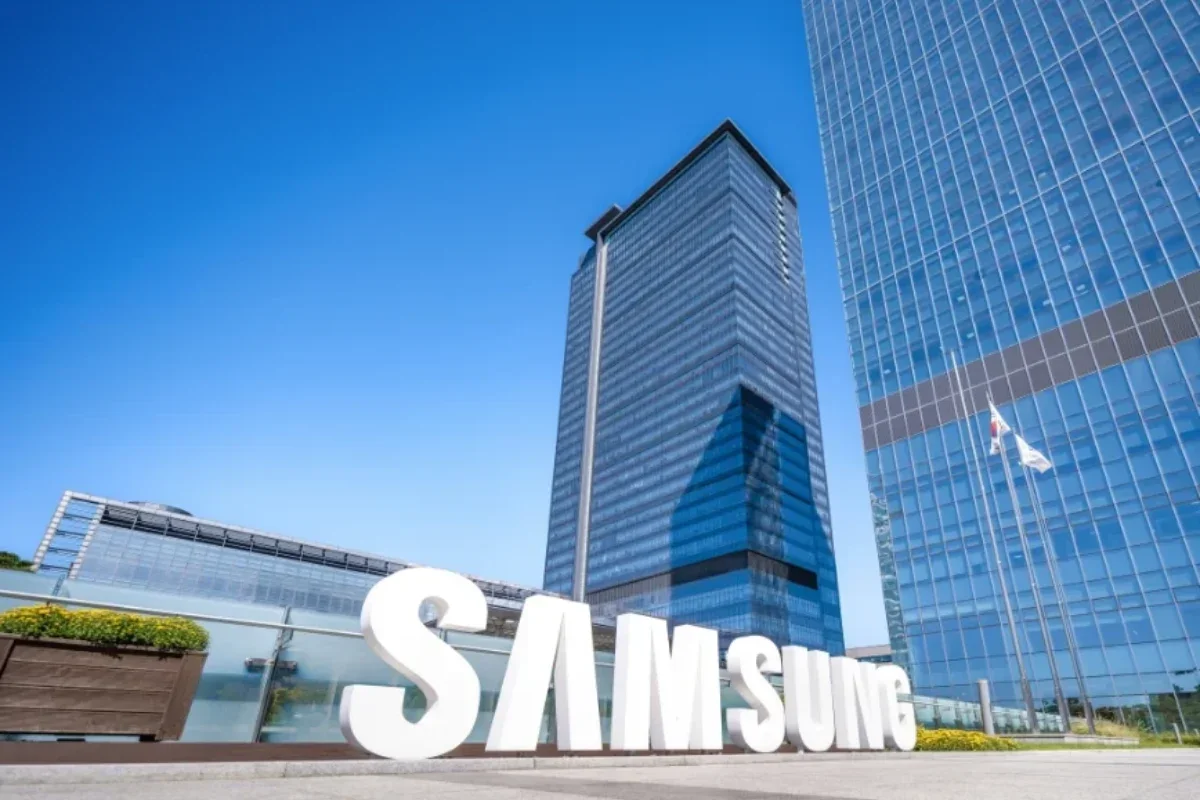
Samsung Electronics' chip business posted a record operating profit in the first quarter of 2026, and the outlook is even brighter as major tech companies shift their manufacturing orders to the South Korean giant.
According to Nikkei Asia, AMD, Google, NVIDIA-backed Groq, Tesla, and BYD are all in talks or have already committed to using Samsung's foundry for future chips, driven by TSMC's inability to meet soaring demand.
Major clients flock to Samsung
AMD is discussing with Samsung about producing future CPUs starting in 2028.
Google is expanding ties to manufacture its next-generation Axion processors, also set for 2028, and has asked Samsung to build part of its key Tensor Processing Units (TPUs) for AI workloads as early as 2028.
BYD, the world's largest electric vehicle maker, is in discussions for its next-generation autonomous driving chips.
Tesla has already confirmed that its next-generation AI6 chip will be produced at Samsung's Texas facility.
NVIDIA-backed Groq, which develops language processing units, is already using Samsung's foundry and may also use it for its next version of specialized AI chips.
Samsung is seeing a sharp rise in manufacturing inquiries from both existing and new clients, according to people familiar with the matter.
Dual-sourcing strategy gains traction
Companies are adopting dual-sourcing strategies, splitting orders between TSMC and Samsung to reduce supply-chain risk.
With tech giants aggressively securing TSMC's remaining capacity, smaller firms have little choice but to turn to Samsung as their strongest alternative.
Only three companies in the world can produce advanced chips: TSMC, Samsung, and Intel.
While Intel is a massive company, its contract manufacturing business is still in its infancy regarding external scale.
Unprecedented demand for AI and high-performance chips has outstripped TSMC's production capacity, forcing companies to diversify orders across multiple foundries.
Samsung is emerging as the main alternative for those unable to secure capacity at TSMC or seeking to avoid supply-chain disruptions.