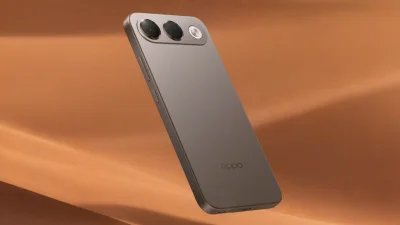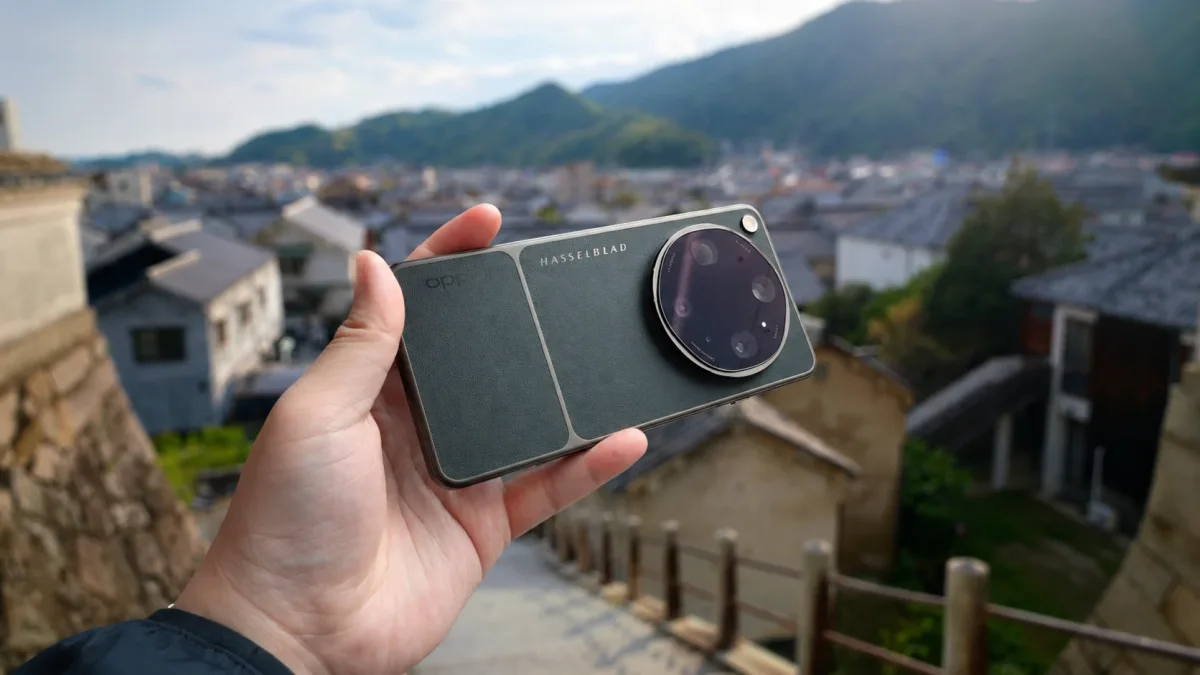
The OPPO Find X9 Ultra did not disappoint.
After carrying it on a five-day trip to Japan and capturing over a thousand photos, its strengths are impressive, but some weaknesses emerged.
Master Mode vs Default Mode
Master Mode reduces shutter time, often producing slightly underexposed photos with a cinematic look.
Dusk shots appear closer to what your eyes see, while default mode makes it seem like the sun never went down.
However, exposure can sometimes be pushed too low, making sunny days look overcast.
Default mode features aggressive HDR, heavy sharpening, and highly saturated colors. It can enhance details and dynamic range, but sometimes ruins the shot.
Excessive HDR can make daytime photos look flat, and at night, shadow areas may show slight color artifacts.
Based on over a thousand photos, Master Mode is recommended for daily shooting, switching to default only when the scene doesn't suit it.
23mm Main Camera
Despite a smaller sensor and no glass elements, image quality hasn't regressed. The 200MP sensor allows a High Resolution mode, producing 28MP photos in good lighting.
This main camera is one of the best available, capable in almost any situation, even capturing a black cat in near darkness.
230mm Telephoto Lens
The 10x optical telephoto lens requires five reflections, so optical quality isn't amazing. Chromatic aberration and spherical aberration are noticeable, with red or green outlines around edges.
Master Mode can make photos look soft. The bottleneck is the lens, not the sensor.
Compared to the Samsung S23 Ultra, it wins by a narrow margin.
In cloudy weather or beyond 230mm, aberration issues are less noticeable. In-Sensor Zoom extends to 460mm, making bird photography usable.
While not perfect, it captures distant scenery well. Night performance is better than Samsung, but that advantage is often meaningless.
70mm Telephoto Camera
This 200MP camera with a large aperture is the favorite among all four cameras. It delivers professional-level background blur.
At 6x zoom, sharpness drops slightly but remains acceptable. It performs well at night, producing satisfying results.