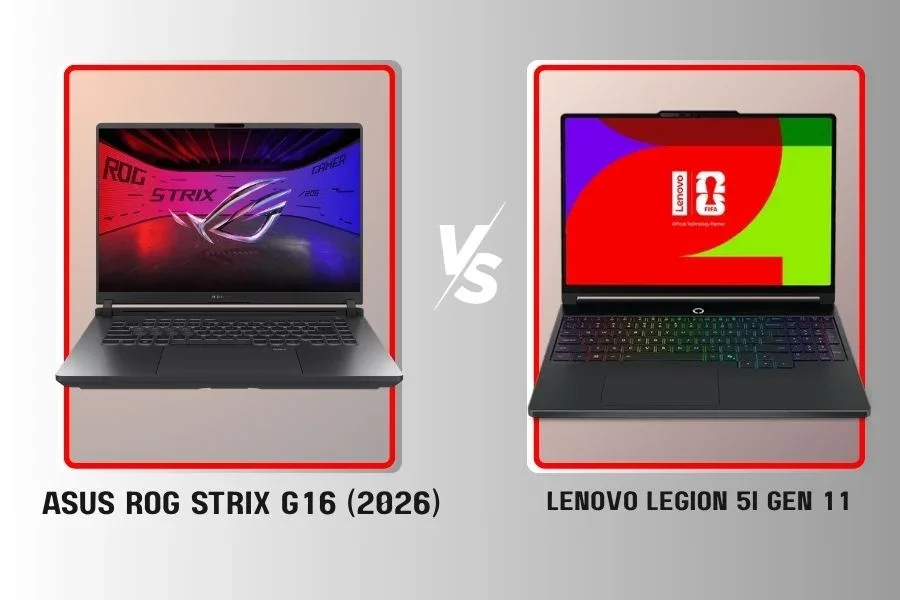
The AMD version with Ryzen AI 400 series starts at $1,499, while a lower-tier Ryzen 200 variant begins at $1,299.
All configurations include RTX 50-series GPUs capped at RTX 5060.
The display is a 15.3-inch PureSight OLED at 2560×1600 resolution with 165Hz refresh rate, 500 nits brightness, and VESA DisplayHDR True Black 600 certification.
OLED delivers true blacks and vivid colors, a clear advantage over the Strix G16's base IPS option.
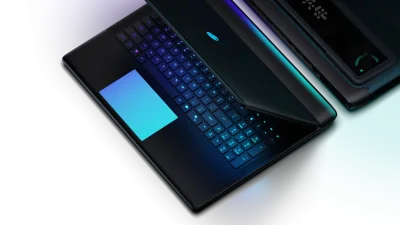
Lenovo's Coldfront cooling uses vapor chambers and optimized airflow, with liquid metal thermal compound on higher-end models. The build is all-metal.
>>> Ariana Grande's Ex Ricky Alvarez Attends Her 'Eternal Sunshine' Tour Show
Software includes AI Engine+ for real-time power management and Legion Space for RGB and game coaching tools.
Starting price: around $1,299–$1,549 (RTX 5060, 16GB RAM, 512GB–1TB SSD).
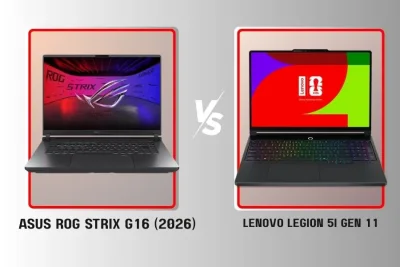
Head-to-Head Comparison
Performance
Both laptops use RTX 5060 GPUs with DLSS 4 support. Performance is very close at the same GPU tier.
The Lenovo Legion 5i Gen 11's newer Panther Lake chip gives a slight edge in CPU-heavy tasks like video editing.
Display
This is the biggest difference. Lenovo's OLED panel offers deeper blacks and more vibrant color than the Strix G16's base IPS.
However, Asus's own-store version provides a 2.5K 300Hz Nebula Display that is sharper and faster than Lenovo's 165Hz OLED.
The choice depends on preference for OLED richness or higher refresh rate.
Cooling
Both use vapor chambers.
Asus applies Conductonaut Extreme liquid metal to both CPU and GPU, giving a slight edge in sustained heavy gaming sessions.
Portability
Lenovo has an advantage here. The Legion 5-series is a 15.3-inch machine, more compact than the 16-inch Strix G16.
Lenovo also made the 2026 chassis about 10% lighter than the previous generation.
>>> Sarah Ferguson Visited Jeffrey Epstein Twice During His 2009 Sentence
Upgradeability
Both laptops are easy to upgrade. The ROG Strix G16 introduced tool-less RAM and SSD access in 2026, matching the Legion's upgrade-friendly design.