Cooling, fluids and leak diagnosis
Cooling system failures and fluid leaks escalate quickly. Overheating symptoms include a rising temperature gauge, steam from the hood, or coolant smell.
Common overheating causes are a failed thermostat, bad water pump, clogged radiator, or a coolant leak. Do not open a hot radiator cap.
Allow the engine to cool and inspect the coolant reservoir and hoses.
If coolant mixes with oil — producing a milky dipstick — suspect a blown head gasket and tow the vehicle to a shop.
Driving with an overheating engine risks a warped head or seized engine.
Fluid leak diagnosis begins with identifying the fluid color and location: engine oil is amber-to-brown; coolant is often green, orange, or pink; transmission fluid is red; brake fluid is clear-to-amber.
Follow scheduled fluid services: oil changes per manufacturer guidance, coolant exchange intervals, brake fluid replacement every two to three years, and transmission fluid service per the vehicle schedule.
Troubleshooting takeaways
Knowing how to troubleshoot is the difference between a minor fix and a costly repair.
When the check engine light illuminates, when you hear squealing from the brakes, or when the car refuses to start, adopt a method: identify symptoms, prioritize urgent signs, and act.
Start troubleshooting by using low-cost diagnostic tools and simple tests. Read codes with an OBD-II scanner.
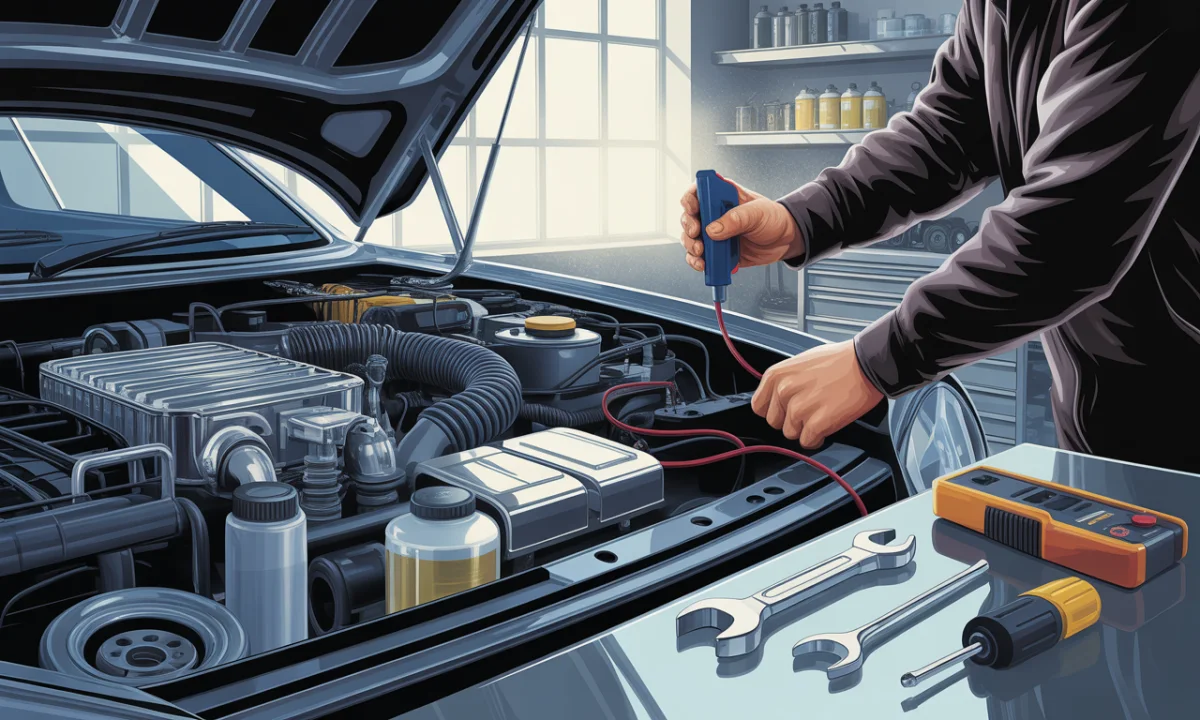
Measure battery voltage, inspect for fluid leaks, check tire pressure, and visually assess belts and hoses.
Maintenance is an argument against costly failures. Monthly checks, timely oil and transmission services, and periodic brake inspections prevent most common failures.
Regularly replacing spark plugs, rotating tires, and flushing fluids saves far more than reactive repairs.
Be decisive about when to DIY and when to consult a professional. Basic fixes and diagnostics you can do yourself.
Complex issues like slipping transmissions or suspected head gasket failure require a mechanic.
Equip yourself with a few tools, know the symptoms that mean "tow now," and read fault codes before you hand over your car.
That disciplined approach puts you in control of costs, safety, and vehicle longevity.