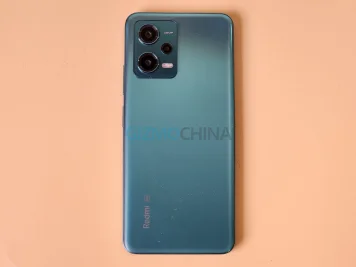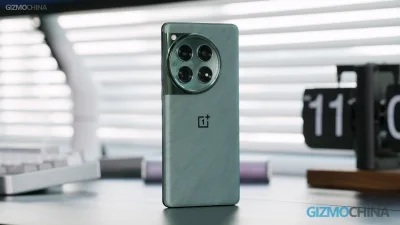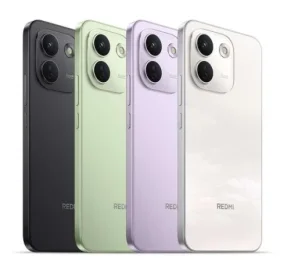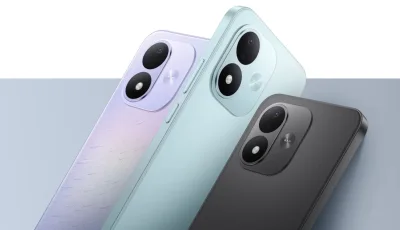
It uses the Dimensity 8400 Ultra chipset, delivering much more performance than the Note 12.
It also has a large 6,000mAh battery, so you get good battery life even with heavy use.
The Poco X7 Pro features a 120Hz 1.5K OLED display and supports 90W fast charging. Some versions have a vegan leather back for a premium feel.
The cameras are not its biggest strength. The rear setup is good for everyday photos but can't compete with photography-focused phones.
If you game a lot or want a fast, responsive phone, the Poco X7 Pro is one of the better choices.
Long-Term Software Support: Google Pixel 10a
If your biggest issue with the Redmi Note 12 is software support, the Google Pixel 10a is worth a look.
Google promises seven years of software and security updates. You can keep using the phone for years without it becoming outdated.
The Pixel offers a clean version of Android with little bloatware.
It has a 6.3-inch Actua display with up to 3,000 nits peak brightness and Gorilla Glass 7i protection.
The camera includes a 48-megapixel main sensor and a 13-megapixel ultrawide.
On paper, the hardware may not look as impressive as 200-megapixel cameras on some Redmi phones.
But Google's image processing does a lot of good work, resulting in good photos in different lighting.
>>> Samsung Galaxy Watch 4 Series Misses One UI 9 Watch Update
The Pixel 10a may not be the fastest, but it's smooth and consistent.
Something Different: Nothing Phone (4a)
Most smartphones in this price range look similar. The Nothing Phone (4a) stands out with its transparent design and Glyph lighting system.
The latest Glyph system uses 63 individually addressable mini-LEDs that can flash patterns or icons for calls.
Nothing OS is also one of the cleaner versions of Android, with a simple interface and little bloatware.
As an upgrade from the Redmi Note 12, you get a sharper AMOLED display, a triple-camera setup with useful zoom, and a more capable Snapdragon chipset.
The Nothing Phone (3a) was already good, but the 4a brings improvements to display and performance.
If you want something cheaper, the new Nothing Phone (4b) is worth checking out.
Premium Option: Samsung Galaxy A57
If your budget allows, the Samsung Galaxy A57 is another option. It offers a more premium build with a metal frame and IP68 water and dust resistance.
You also get Samsung's One UI software and a long-term update promise.
The phone has a large 6.7-inch AMOLED display with a 120Hz refresh rate.
Its 50-megapixel main camera comes with OIS for better photos in daylight and low light.
The Galaxy A57 is not the fastest here, and its battery and charging speeds are less impressive than the Poco X7 Pro or Redmi Note 15 Pro+.
But if you care more about build quality and software updates, it's a solid choice.
>>> Auriemma Urges Focus on Players, Not Trans-WNBA Controversy
Ultimately, the best phone for you depends on what you value most: familiarity, performance, longevity, design, or premium feel.