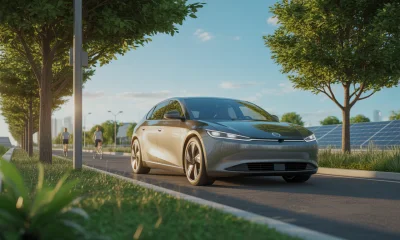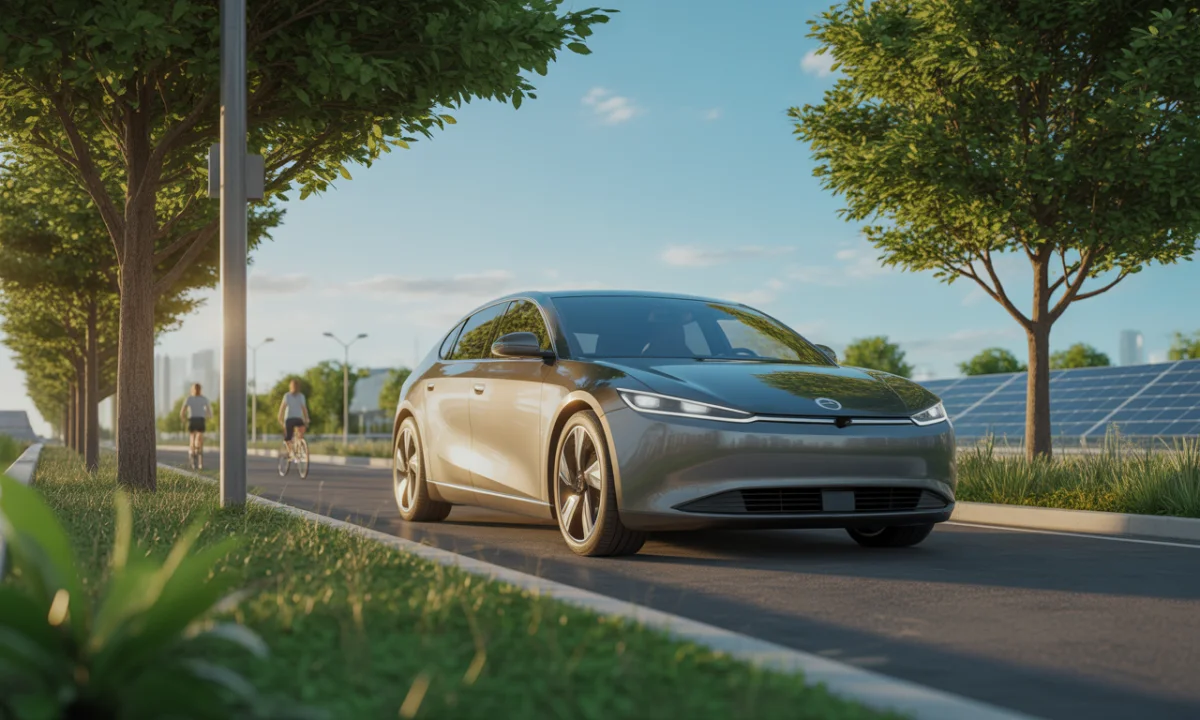
From expanding public charging networks to fleet electrification pilots and urban delivery innovations, the ecosystem supporting low-emission mobility is maturing fast.
Economic Case for Sustainable Vehicles
Economic arguments are decisive for fleet managers, consumers, and governments.
The total cost of ownership for electric and hybrid vehicles is increasingly favorable once fuel savings, lower maintenance, and potential incentives are accounted for.
Upfront sticker price is only one variable; cash flows across the lifecycle reveal the real financial advantage of eco-friendly cars.
>>> Vivo X300e storage, RAM, color options tipped in new leak
For corporations and public fleets, reduced operating costs and simplified maintenance reduce total fleet lifecycle expenses.
Electric drivetrains have fewer moving parts, fewer consumables, and predictable energy costs.
When fleet strategies are aligned with renewable procurement or onsite solar charging, the result is both lower emissions and improved margin stability.
Market signals also favor manufacturers who embrace sustainability: brand value, regulatory credits, and access to incentive funding matter.
Firms that delay risk being locked into stranded-asset scenarios as regions impose ICE phase-outs or stricter emissions caps.
Policy instruments such as tax credits, purchase subsidies, and low-emission zones create a commercial environment where sustainable vehicles outperform legacy models.
Strategic deployment of incentives can offset the higher capital costs of batteries and hydrogen systems during the scale-up phase.
To structure decision-making, stakeholders should compare propulsion options across measurable criteria. The table below summarizes critical economic and operational variables that influence procurement and purchasing decisions.
PowertrainTypical upfront costOperating costInfrastructure needsLifecycle emissions (relative)Battery EVHighLowCharging network, grid upgradesLow with clean gridPlug-in hybridModerateModeratePartial chargingModerateHydrogen fuel cellHighLow (fuel-dependent)Refueling stationsLow if green hydrogenBiofuel/ICELowHighExisting networkVariableTechnological Advances Driving Adoption
Technological progress has shifted sustainability from a niche proposition to a mainstream capability.
Battery chemistry improvements, higher energy density, and faster charging directly reduce cost-per-mile and mitigate range anxiety.
Regenerative systems, over-the-air software optimization, and weight-saving materials multiply efficiency gains. Advanced software and AI-enabled energy management improve real-world range without increasing battery size.
Hydrogen and synthetic fuels remain essential components of a diversified green portfolio, particularly for heavy-duty transport and regions where electrification is constrained.
Multiple technologies will coexist; the critical question is matching powertrain to use-case, geography, and lifecycle constraints.