DJI has taken legal action against Insta360 in the United States, filing two separate lawsuits over the newly launched Luna series of gimbal cameras.
The suits were filed on or around June 10, 2026, in the US District Court for the Eastern District of Texas.
The first lawsuit focuses on design patents.
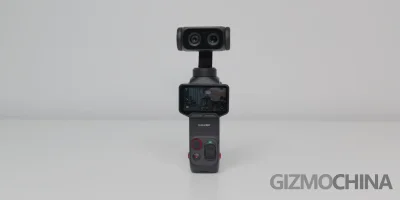
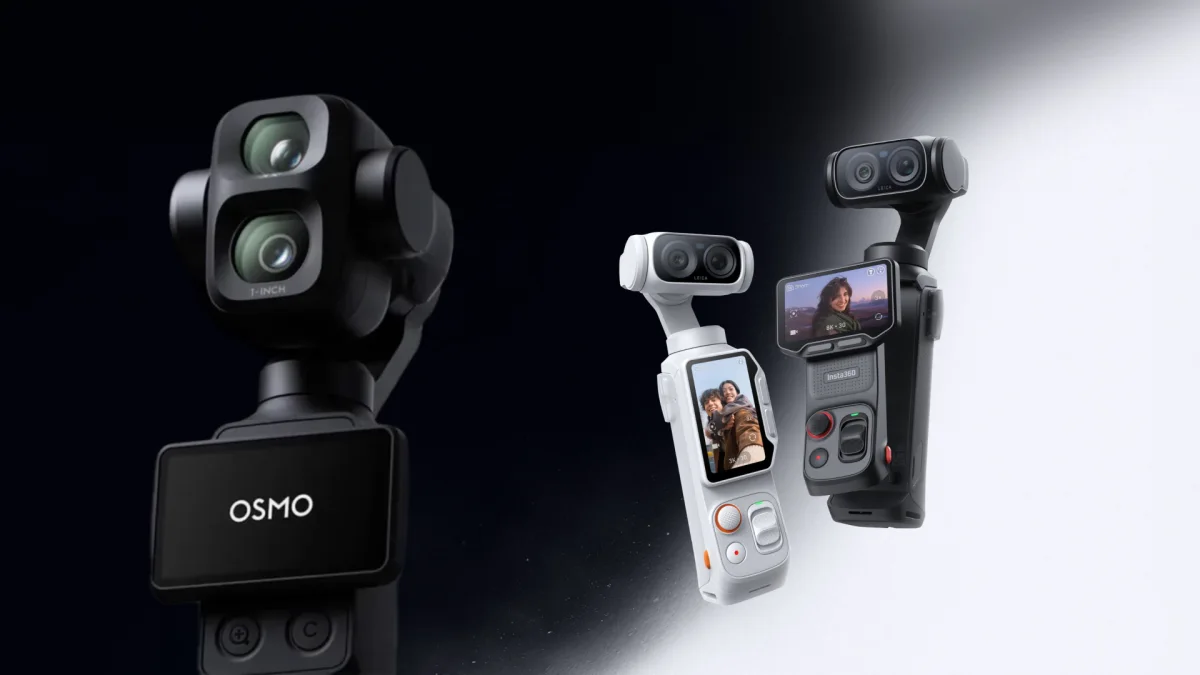
DJI claims that the Luna cameras closely resemble the Osmo Pocket 3 in several aspects, including the slim handheld body, the neck connecting to the gimbal arm, the rotating screen, side ports, and bottom interface.
According to DJI, these similarities are enough to confuse buyers.
The second lawsuit targets four utility patents covering internal technology.
These include how the gimbal switches between lock and follow modes, the subject tracking system, and the integration of the display with the gimbal in real time.
DJI alleges that Insta360 "blatantly copied" these inventions with knowledge of the patents, which could lead to enhanced damages for willful infringement.
As remedies, DJI is seeking a permanent ban on Luna product sales in the US, along with damages.
At minimum, they request a reasonable royalty, and potentially a full disgorgement of profits.
This legal escalation follows earlier patent ownership claims DJI pursued in China earlier in 2026.
Those claims involved inventions allegedly developed by former DJI engineers who later joined Insta360. Tensions between the two companies have been building for some time.
Insta360 is expected to defend itself vigorously.
The company has signaled intentions to fight back, including potential countersuits over its own intellectual property in pocket gimbals and 360-degree imaging.
The outcome of these cases could influence product development and market strategies for both companies, and may set broader precedents for cross-border IP disputes in the imaging industry.