The ultra-affordable smartphone segment in the United States is rapidly shrinking, leaving budget-conscious buyers with fewer choices.
According to Counterpoint Research, sales of phones under $100 dropped 64% year-over-year in the second quarter of 2026.
That volume now stands at roughly one-third of what it was a year earlier.
The main culprit is skyrocketing memory chip prices, which have forced manufacturers to raise retail prices or stop shipping the cheapest models.
Memory and storage now consume a much larger share of the bill of materials on budget phones, making old rock-bottom price points harder to achieve.
Overall US smartphone sales fell 5% in the quarter, but the top four brands—Apple, Samsung, Motorola, and Google—only dropped about 4% combined.
In contrast, other brands saw their sales plunge 45%.
Smaller and niche players that relied on thin margins from low-cost devices are feeling the most pressure.
Some, like HMD, had already pulled back or left the US market last year due to weakness in the prepaid channel and tariff uncertainty.
Higher memory and storage costs have only made things tougher.
Prepaid smartphone sales were down 11% year-over-year, but within that shrinking channel, Samsung and Motorola actually gained ground.
Samsung’s share of the US prepaid market jumped nine percentage points to 47%, while Motorola picked up four points to reach 32%.
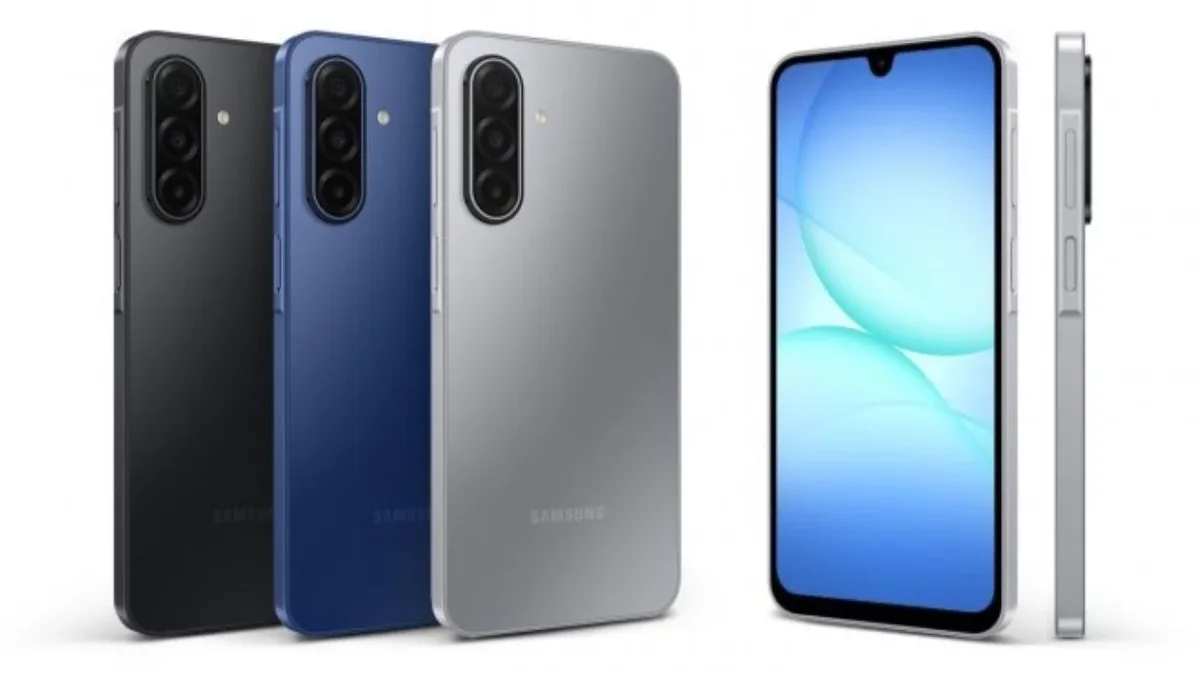
Carriers are leaning harder on Samsung’s Galaxy A series and Motorola’s Moto G lineup to keep customers as cheaper alternatives disappear.
With fewer options left, the prepaid space has essentially narrowed down to these two brands.
The end result is that the cheapest phones are becoming harder to find and more expensive.
As long as memory costs stay high, that pressure on the budget tier isn’t going away anytime soon.