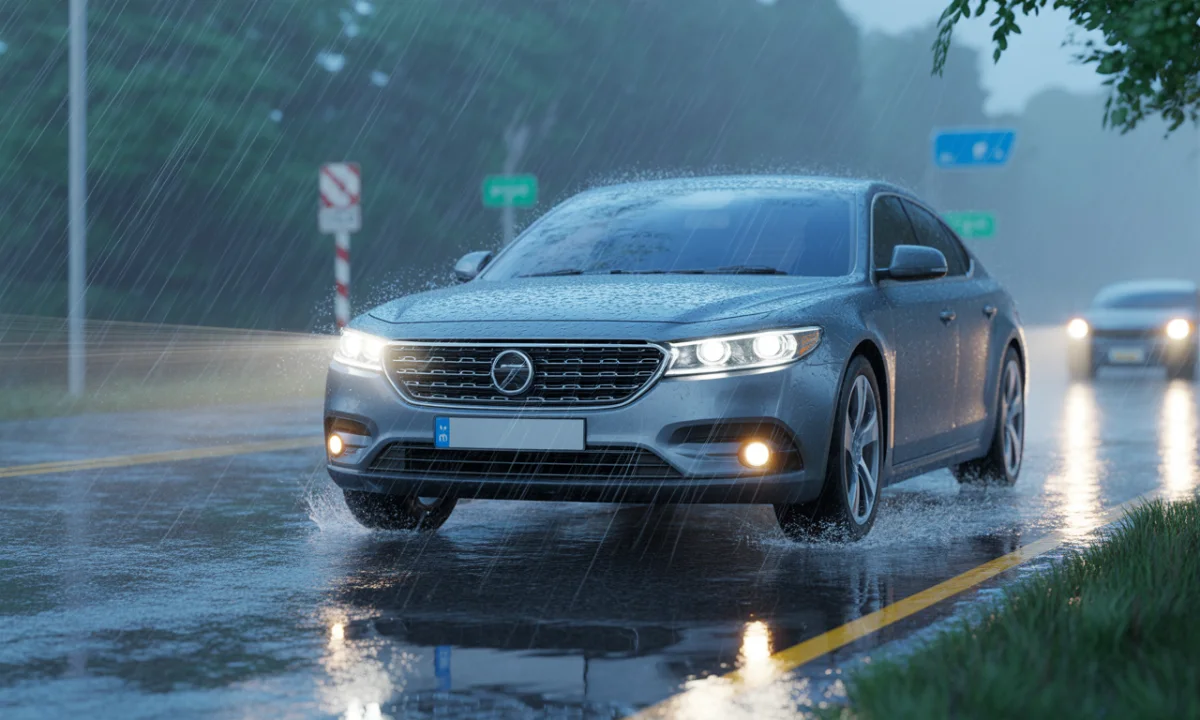
Bad weather can turn an ordinary drive into a dangerous journey.
Each year, roughly 750,000 weather-related crashes occur in the United States, leading to thousands of deaths and hundreds of thousands of injuries.
Conditions like freezing rain, heavy snow, dense fog, and high winds are major contributors. Drivers who adapt their behavior and prepare their vehicles can significantly reduce these risks.
Driving in Freezing Rain and Black Ice
Freezing rain is one of the most underestimated hazards.
When rain freezes on contact, it creates black ice—a thin, invisible layer that makes roads extremely slippery.
Temperatures near 32°F (0°C) can turn a wet-looking road into a dangerous trap.
If you must drive in freezing rain, slow down and increase your following distance. Avoid abrupt braking, as it can cause skids.
If you start to skid, gently release the accelerator and steer into the skid direction. Never slam the brakes.
Prepare by using winter tires, which provide better traction in cold conditions. Bridges, overpasses, and shaded areas freeze first and are especially hazardous.
If possible, delay travel until conditions improve.
Handling Heavy Snow and Winter Conditions
Heavy snow reduces both traction and visibility. It can also hide patches of ice and make roads impassable.
Winter tires are a crucial safety investment in snowy regions. They maintain grip at low temperatures and in slush.
Before driving, clear all snow and ice from windows, mirrors, and the roof. Practice gentle acceleration, progressive braking, and controlled steering in a safe area.
Avoid aggressive throttle inputs that cause wheel spin.
When encountering snowplows, stay well back and never attempt to pass. Plows obscure hazards and may use variable spacing.
Give them ample room to work.
Navigating Fog, Rain, and Reduced Visibility
Fog and heavy rain limit visibility and reduce reaction time. Use low-beam headlights and fog lamps if available; high beams reflect off fog and worsen visibility.
Follow road markings to stay in your lane.
Maintain a conservative speed and increase your following distance. Avoid passing in low visibility.